



🐍 The Role of Reptiles in Ancient Cultures and Folklore
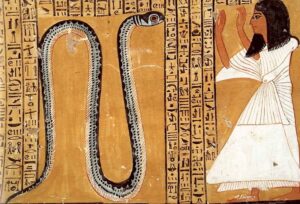
Blog The Role of Reptiles in Ancient Cultures and Folklore How snakes, lizards, and dragons have shaped beliefs around the world Reptiles have slithered, stalked, and sunbathed their way into the stories of nearly every culture on Earth. From ancient mythology to folk legends, these cold-blooded creatures have been feared, revered, worshipped, and misunderstood for thousands of years. But why? What is it about reptiles that makes them so powerful in our collective imagination? Let’s take a tour around the world—and through time—to explore how humans have seen and symbolized our scaly friends. 🐍 Snakes: Symbols of Life, Death, and Rebirth Few animals are as mythically charged as snakes. Across cultures, they’ve represented both danger and healing, destruction and transformation. Ancient Egypt: The cobra symbolized protection and divine authority. Pharaohs often wore the image of a rearing cobra—called the uraeus—on their crowns. Greece: The Rod of Asclepius, still used today as a medical symbol, features a snake winding around a staff, representing healing and renewal. Hinduism: The god Vishnu is often shown resting on a giant serpent. Snakes (nagas) are revered and protected in many parts of India. Mesoamerica: The Aztecs worshipped Quetzalcoatl, the feathered serpent god of wind, learning,